2026 Top Textile Finishing Process Types for Global Buyers

Global textile buyers entering 2026 face a finishing market shaped by performance, traceability, water reduction, and stricter chemical expectations. Textile Exchange’s Materials Market Report 2024 recorded approximately 124 million tonnes of global fiber production in 2023. Every meter matters. During finishing, a fabric can gain softness, flame resistance, water repellency, dimensional stability, or a sharper visual handle. It can also consume significant energy, water, and chemicals when process control is weak.

This guide examines the leading textile finishing process types for international sourcing teams, including pad-dry-cure, heat setting, calendaring, coating, enzyme washing, mechanical finishing, and emerging plasma treatment. Fortune Business Insights estimated the global textile chemicals market at about US$27.36 billion in 2023, reflecting strong demand for functional and specialty finishes. However, market figures differ between research firms. That limitation deserves attention. Buyers should verify supplier data through test reports, chemical inventories, wastewater records, and production trials rather than relying on marketing claims.

Dr. Seshadri Ramkumar, a textile materials scientist, has stated, “Sustainability is not a destination, but a journey.” His observation fits textile finishing closely. A low-liquor dyeing system may reduce water use, yet an inefficient curing oven can increase energy consumption. A bio-based softener may sound attractive, but its durability and skin-contact performance still require testing. The sections ahead compare finishing methods through practical criteria: end-use performance, machinery requirements, cost, environmental impact, compliance readiness, and scalability. The best process is rarely the newest one. It is the one that performs consistently on the buyer’s actual fabric.
2026 Top Textile Finishing Process Types for Global Buyers

What Textile Finishing Means in Global Textile Production

2026 Top Textile Finishing Process Types for Global Buyers

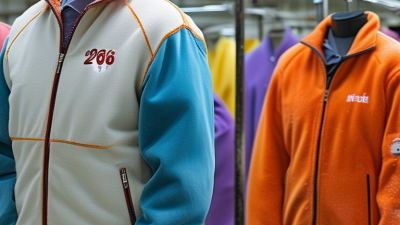
Textile finishing means treating fabric after weaving, knitting, or dyeing. It changes handle, appearance, durability, and performance. Common processes include calendaring, brushing, softening, coating, laminating, and water-repellent treatment. A smooth calendar finish can create a sharper surface. Brushing gives fleece a warmer, softer touch.

The commercial reason is clear. Textile Exchange’s 2024 Materials Market Report recorded global fiber production at about 124 million tonnes in 2023. It projects nearly 160 million tonnes by 2030. More fabric requires better finishing control, not simply higher output. However, finishing can increase chemical use, energy demand, and wastewater risks. A technical data sheet may look complete, yet it can miss abrasion loss after repeated washing. That gap deserves attention.

Tips: Ask suppliers for finish recipes, test methods, and batch records. Compare softness before and after five wash cycles. Check coating adhesion, colorfastness, and shrinkage under realistic conditions. Request wastewater and restricted-substance documentation from qualified laboratories. Do not select a finish only because it feels luxurious on one sample. That decision can age badly. A cheaper process may also require rework, which weakens both cost and environmental performance.

How Textile Finishing Processes Are Classified by Their Main Functions

2026 Top Textile Finishing Process Types for Global Buyers

How Textile Finishing Processes Are Classified by Their Main Functions

Textile finishing is best classified by purpose, not by machine name. This approach helps global buyers compare fabrics more accurately.

Aesthetic finishes improve color, luster, surface texture, or visual depth. Examples include softening, brushing, calendaring, and special dye effects. A soft finish changes the hand feel. It does not automatically improve durability.

Performance finishes target practical needs. Water repellency, flame resistance, anti-static treatment, and soil release belong in this group.

Dimensional finishes control shrinkage, stretching, and fabric distortion after washing.

Comfort finishes improve breathability, moisture management, thermal balance, or skin contact.

Hygiene-related finishes may limit odor development, but their performance requires careful testing. These categories can overlap. A single treatment may affect appearance, comfort, and maintenance at the same time. Classification is useful, but never perfectly clean.

Tips: Ask for the finish’s main function, test method, durability after washing, and chemical compliance documents. Request production samples, not only laboratory swatches. Check color, hand feel, shrinkage, and surface changes under real lighting. Small differences matter. Do not accept “permanent” claims without test data. Also, consider whether the finish suits the fabric construction. A treatment that works on tightly woven cotton may perform poorly on stretch fabric. In practice, buyer specifications sometimes focus too heavily on the first inspection. Later washing reveals the real weakness.

Mechanical Finishing Methods for Improving Fabric Texture and Structure

2026 Top Textile Finishing Process Types for Global Buyers

Mechanical Finishing Methods for Improving Fabric Texture and Structure

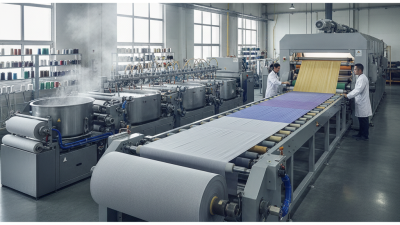
Mechanical finishing changes fabric without relying mainly on chemical treatment. Calendering passes fabric between heated rollers, creating a smoother surface and controlled lustre. Brushing raises fine fibres, giving fleece, cotton, or blends a warmer hand. The effect is easy to feel.

Compacting and sanforizing reduce later shrinkage by compressing fabric lengthwise. These processes matter for shirts, bedding, and workwear that must keep stable dimensions. Buyers should check finished width, fabric weight, residual shrinkage, skew, and seam performance. A softer hand may also reduce surface clarity.

In practical inspections, I compare laboratory samples with fabric from the full production roll. Lighting can hide uneven pressure marks. Side-to-side differences often appear only after washing. Results are not always perfectly uniform. That is worth questioning. Roller temperature, moisture, speed, and fabric tension need recorded control. A brushed surface may look attractive but pill sooner if fibre anchoring is weak. Heavy compacting can improve structure, yet it may limit stretch recovery. Small trial runs and wash tests reveal these trade-offs before shipment. Certified testing laboratories can verify dimensional change, abrasion resistance, and surface appearance using recognized methods. A detailed finishing specification gives both sides clearer acceptance limits.

Chemical Finishing Methods for Performance, Protection, and Appearance

2026 Top Textile Finishing Process Types for Global Buyers

Chemical Finishing Methods for Performance, Protection, and Appearance

For global buyers, chemical finishing turns ordinary fabric into a more useful material. A softener can improve drape, while a durable water-repellent finish helps rain bead on the surface. Moisture-management finishes move sweat away from skin during active use. Results depend on fiber type, fabric density, bath chemistry, and curing temperature. Small process changes matter.

Protection finishes address practical risks. Antimicrobial treatments can reduce odor caused by microbial growth, when properly tested and maintained. Flame-resistant systems support safer textile applications, but performance may decline after repeated washing. Soil-release and stain-resistant finishes help uniforms stay presentable in busy workplaces. Buyers should request test reports, wash-cycle data, chemical composition details, and restricted-substance declarations. Trust needs evidence.

Appearance finishes shape how fabric feels and looks. Mercerizing can improve cotton luster and dimensional stability. Resin treatments may create crispness, but excessive application can cause brittleness or lower tear strength. That trade-off is easy to miss. In production reviews, I would inspect hand feel, shade consistency, odor, and surface smoothness under different lighting. A finish that looks excellent at inspection may disappoint after ten washes. Sampling should include real laundering, abrasion, and humidity exposure, not only a fresh roll.

How Global Buyers Compare Textile Finishing Types and Quality Standards

Global buyers now compare textile finishing types through measurable performance, not surface appearance alone. The Textile Exchange Materials Market Report 2024 estimates global fiber production reached 124 million tonnes in 2023. This scale increases pressure to reduce reprocessing, water use, and early product failure. A softener may improve hand feel, while calendaring creates a smoother surface. Brushing adds warmth, but can increase pilling risks. Water-repellent finishes require careful durability testing.

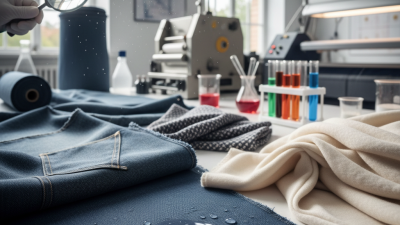
Quality comparisons should begin with the fabric’s final use. Buyers commonly review colorfastness under ISO 105 methods, abrasion resistance under ISO 12947, and dimensional change after laundering. AATCC 61 can support accelerated laundering assessments. These tests are useful, but they are not identical. Test temperature, detergent, fabric construction, and finishing concentration can change results. That detail is often overlooked.

A practical supplier review should request pre-wash and post-wash data, batch records, and chemical safety documentation. The Textile Exchange report also projects fiber production could reach about 160 million tonnes by 2030, making process efficiency increasingly important. A finish that passes a laboratory test may still disappoint after repeated home washing. That happens. Buyers should compare softness, shade change, odor, handle, and tear strength together. No finish is universally best. The better choice balances function, durability, cost, and verified production consistency.

Scroll to Top