7 Best Methods in the Process of Dyeing in Textile Industry
The process of dyeing in textile industry determines more than fabric colour. It affects water quality, energy demand, colourfastness, worker safety, and production cost. A bright reactive-dyed cotton shirt may require repeated washing, while a polyester fabric often needs high-temperature disperse dyeing. These differences matter on the factory floor.
Global fibre production reached approximately 124 million tonnes in 2023, according to Textile Exchange’s Materials Market Report 2024. The organisation expects production to approach 160 million tonnes by 2030. More fabric means greater pressure on dyehouses to improve efficiency. The United Nations Environment Programme also reports that textiles contribute significantly to global environmental impacts, including greenhouse-gas emissions and water pollution. Exact impacts vary by fibre, machinery, chemistry, and wastewater treatment. Therefore, simple claims can mislead.
This guide examines seven widely used approaches: reactive, disperse, vat, sulfur, acid, direct, and pigment coloration. Each method has a different relationship with fibre chemistry, temperature, salt, alkali, and rinsing requirements. In practical production, operators check liquor ratio, pH, dye concentration, heating speed, and washing quality. A poorly controlled dye bath can leave streaks on a roll of fabric, even when laboratory results look perfect. Small details matter.
No method is clean by default. That is the difficult part. Better results depend on verified chemical management, calibrated equipment, trained technicians, and reliable effluent treatment. Standards and programmes such as ZDHC, OEKO-TEX, and ISO testing methods can support stronger decisions, but certification does not replace daily process control. This overview connects technical knowledge with factory experience, while recognising that every textile mill has different constraints.
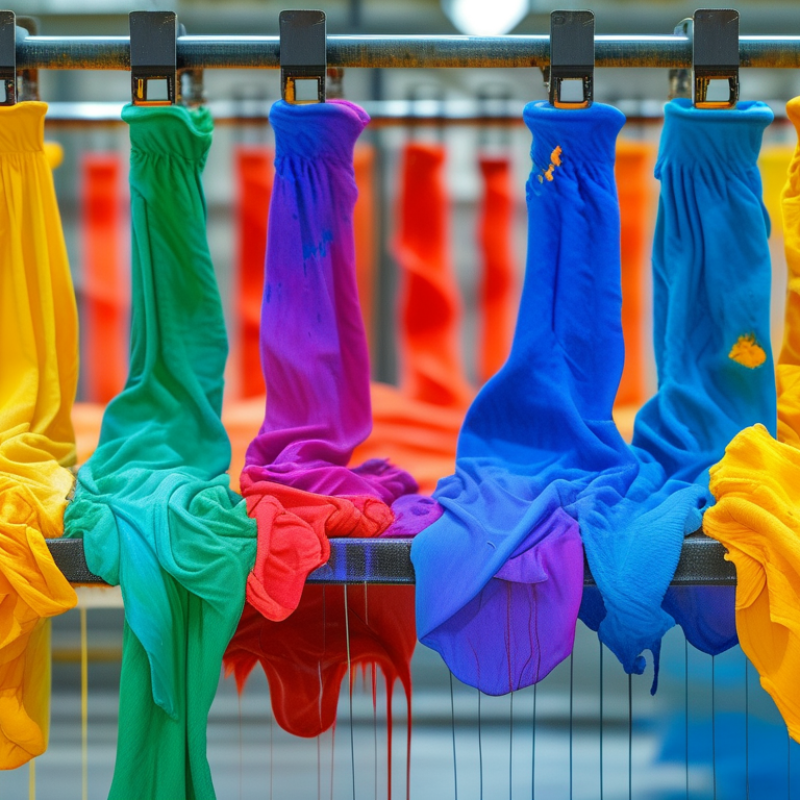
Textile Dyeing Preparation: Fibers, Fabrics, Chemicals, and Equipment
Textile dyeing begins long before color enters the bath. Fiber type determines preparation: cotton needs scouring, while wool requires gentler washing. Polyester often needs heat-setting to control shrinkage. Fabric construction matters too. Dense knits trap water and chemicals. Loose woven fabric wets faster but may distort. I check absorbency with a simple drop test, then record moisture, width, and weight. Records matter.
Preparation chemicals should be measured by fabric weight, not guesswork. Wetting agents improve penetration, while alkalis remove oils and natural impurities. Bleaching can brighten cotton, but excessive treatment weakens fibers. Water hardness also affects pH control and shade consistency. The right preparation supports exhaust, pad, jet, jig, beam, continuous, and printing methods. Before production, technicians should test a small swatch at the planned temperature and time. I have seen a clean-looking bath produce uneven color because the fabric entered too dry. That error is easy to miss.
Tips:
Clean tanks, pipes, and filters before every batch. Calibrate thermometers, pH meters, and dosing pumps. Check fabric edges for creases. Follow chemical safety data and use suitable protective equipment. Do not rush rinsing; leftover alkali can change later dye uptake. Keep a sample from every trial. It may reveal what the machine hides. The checklist is imperfect. Review it anyway.
Reactive and Direct Dyeing Methods for Cellulosic Textiles
Reactive and direct dyeing remain practical choices for cellulosic textiles, including cotton, linen, and viscose. Reactive dyes form covalent bonds with cellulose during alkaline fixation. This usually delivers strong wash fastness and bright shades. Direct dyes rely mainly on physical attraction to the fibre. They offer a simpler process, but wet fastness may require additional treatment.
In a reactive dye bath, operators control salt addition, alkali dosage, temperature, and time. Small changes can affect shade depth. For example, uneven alkali feeding may create pale streaks across cotton fabric. Thorough rinsing then removes hydrolysed dye and loose electrolyte. Hot washing is often essential. In my process observations, poor washing causes more complaints than the initial dyeing stage.
Direct dyeing can reduce process complexity because fixation is less chemically demanding. However, shade migration and wash-off must be monitored carefully. Test samples should be checked after laundering, not only under factory lighting. A slightly duller colour may prove more stable in use. No recipe works universally. Fibre absorbency, fabric construction, water hardness, and machine circulation all influence results. Some practical trials also reveal an uncomfortable truth: saving water too early can increase rework, energy use, and final production cost. Reliable records of bath conditions and laboratory fastness tests support better decisions.
The chart compares representative operating temperatures used in seven common dyeing and coloration methods for cellulosic textiles. Reactive pad-batch dyeing operates at room temperature, while pad-cure pigment coloration requires a higher curing temperature. Actual conditions vary with fibre type, dye chemistry, liquor ratio, and equipment.
Vat and Sulfur Dyeing Methods for Durable Coloration
Vat and sulfur dyeing remain two practical methods for durable coloration in the textile industry. Vat dyes form insoluble pigments inside the fiber after reduction and oxidation. This creates strong shade retention, especially on cotton and other cellulosic fabrics. Sulfur dyes offer deep black, navy, and brown shades at a lower cost. However, they need careful washing and oxidation control. Poor rinsing can cause uneven color or fabric odor.
Textile Exchange reported that global fiber production reached about 132 million tonnes in 2023. This scale increases pressure to reduce water, energy, and chemical waste during dyeing. The United Nations Environment Programme also identifies textile wet processing as a major environmental hotspot. Vat dyeing can require repeated washing, while sulfur dyeing may generate sulfide-related wastewater. In mill trials, small pH changes have produced visible shade differences. The process is not flawless. A deeper shade is not always a better result.
Tips: Test the recipe on a small fabric swatch first. Control temperature, pH, reduction strength, and oxidation time. Check colorfastness after washing, rubbing, and perspiration tests. The ISO 105 series provides recognized methods for evaluating these properties. Keep detailed batch records, including water hardness and liquor ratio. These details seem minor, but they often explain unexpected variation. Reviewing wastewater results is equally important, even when the final fabric looks perfect.
Dyeing Quality Control, Colorfastness, and Sustainable Practices
7 Best Methods in the Process of Dyeing in Textile Industry
Dyeing Quality Control, Colorfastness, and Sustainable Practices
Reliable dyeing begins with controlled preparation. Scouring removes oils, while bleaching improves fabric whiteness. Exhaust dyeing suits small batches and gives operators close control. Pad-dyeing works efficiently for continuous production. Reactive dyes bond strongly with cotton, while disperse dyes suit polyester. Pigment dyeing uses less water but needs careful binder control.
Quality checks should begin before the dye bath starts. Technicians can measure pH, temperature, liquor ratio, and dye concentration at fixed intervals. A small fabric sample reveals shade differences early. Compare it under standard daylight, not only under factory lighting. Record washing, rubbing, perspiration, and lightfastness results. Colorfastness often fails at seams or heavily rubbed areas. That detail is easy to miss.
Sustainable practice requires more than reducing water use. Low-liquor machines, salt reduction, water reuse, and accurate chemical dosing can lower waste. Enzyme treatments may reduce harsh preparation steps. Closed-loop filtration can recover part of the process water. However, recycled water may change pH or contain residual dye. Test it carefully. I have seen a beautiful laboratory shade become uneven in bulk production. The lesson is uncomfortable: speed and savings cannot replace process discipline. Operators should review failed batches openly, identify the cause, and adjust one variable at a time.