How to Implement Sustainable Dyeing Practices in Fashion?
The fashion industry is a significant contributor to global pollution. According to the Ellen MacArthur Foundation, textile production results in over 1.2 billion tonnes of greenhouse gases annually. This alarming statistic highlights the urgent need for transformation, especially in dyeing processes. Traditional dyeing methods consume vast amounts of water and chemicals. These practices negatively impact ecosystems and human health.
Implementing sustainable dyeing can reduce this footprint. Innovative techniques, such as using natural dyes, can lessen environmental damage. Moreover, advancements in technology allow for waterless dyeing methods, which could cut water usage by up to 90%. However, challenges remain. The cost of sustainable materials is often higher, and many brands hesitate to shift away from established practices.
The journey towards sustainable dyeing also demands continuous reflection and adaptation. Fashion brands must confront the complexities of supply chains. They need to weigh short-term profits against long-term sustainability goals. By embracing these changes, the fashion industry can pave the way for a greener future. Sustainable dyeing is a vital step in this crucial transformation.

Understanding the Environmental Impact of Conventional Dyeing Practices
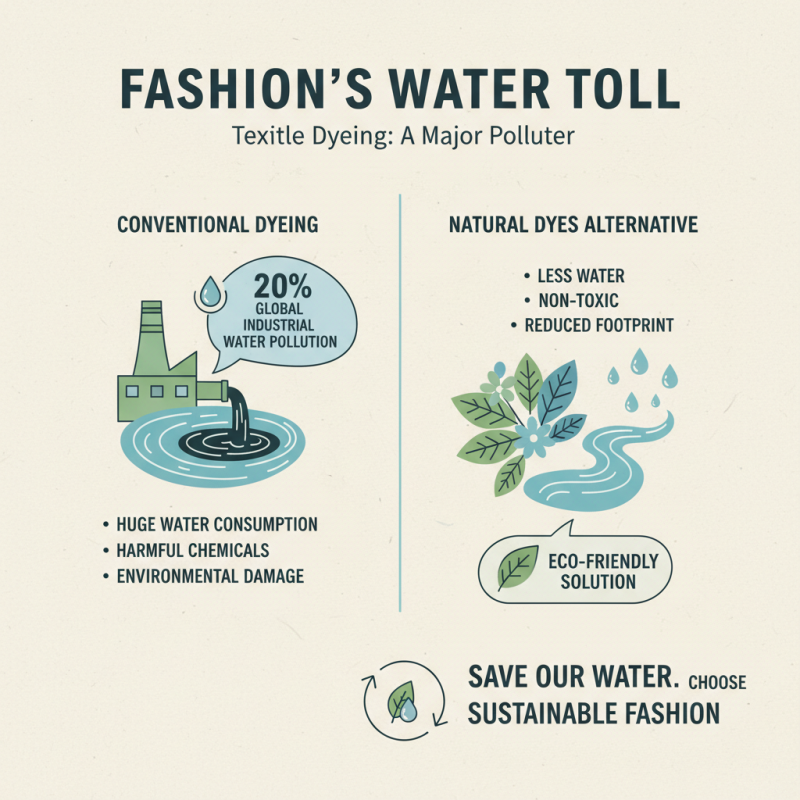
Conventional dyeing practices have significant environmental impacts. They often involve toxic chemicals that pollute water systems. Water consumption is alarmingly high. Some dyeing processes require thousands of gallons per pound of fabric. This can lead to resource depletion. Factories can also generate hazardous waste, harming workers and communities nearby.
Tips: Explore natural dyes from plants or minerals. They offer vibrant colors without the toxic effects. Using these sustainable alternatives can reduce harmful waste. It’s a small but meaningful shift. Consider using less water-intensive methods, such as air dyeing or digital printing. These practices save water and energy.
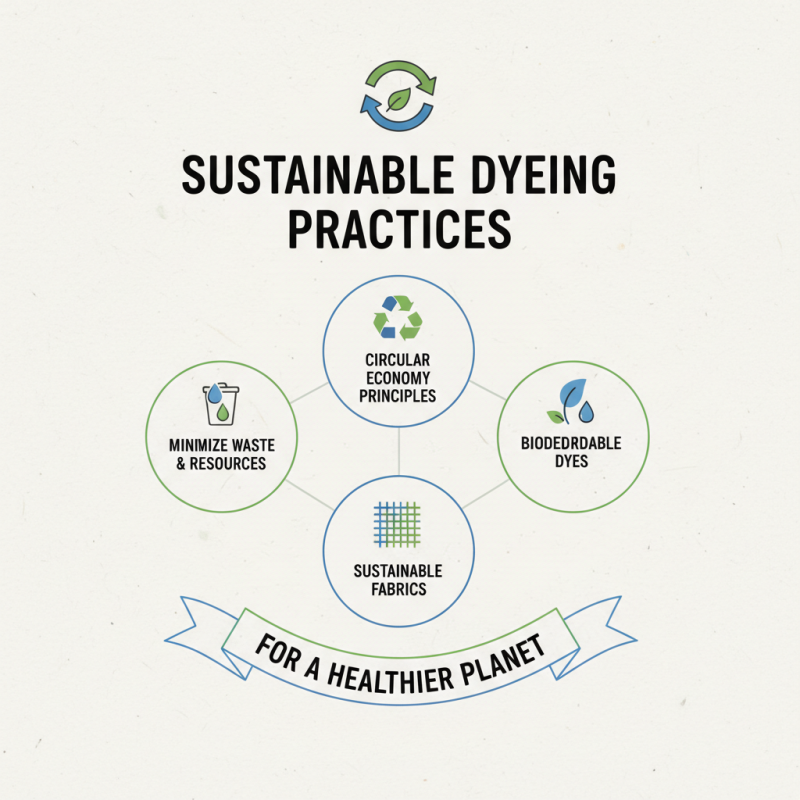
It's crucial to reflect on our choices. Many brands still rely on traditional methods. We might face resistance to change. Transitioning to sustainable dyeing requires patience and investment. The journey can be filled with trial and error. However, each step toward eco-friendly practices is essential for a healthier planet and a brighter future.
Exploring Alternative Natural Dyes and Their Benefits for Sustainability
The fashion industry is one of the largest polluters. Conventional dyeing processes consume vast amounts of water and harmful chemicals. In fact, it is estimated that around 20% of industrial water pollution comes from textile dyeing. Transitioning to alternative natural dyes can significantly reduce this footprint.
Natural dyes, derived from plants, insects, and minerals, offer sustainable alternatives. For instance, indigo, derived from the indigo plant, is renowned for its deep blue color. It requires less water than synthetic dyes and is biodegradable. Other options include madder root, producing vibrant reds, and turmeric, which yields a bright yellow. These alternatives can also enhance the fabric's feel, contributing to a more natural product.
However, these practices come with challenges. Sourcing natural dyes sustainably can be difficult. Not every region has access to the necessary plants or resources. Moreover, the colorfastness of natural dyes may not match synthetic ones, leading to potential buyer dissatisfaction. Additionally, the production process for natural dyes can be labor-intensive, which may not align with fast fashion demands. Balancing these factors is crucial for a responsible transition.
Implementing Water-Saving Technologies in the Dyeing Process
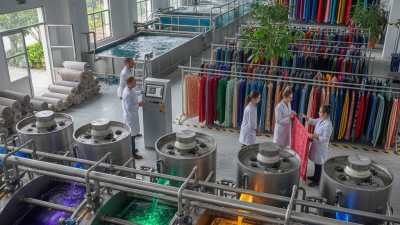
The dyeing process in fashion is a significant contributor to water waste. Traditional methods use vast amounts of water for rinsing and dye application. Implementing water-saving technologies can drastically change this. For instance, techniques like closed-loop systems recycle water, allowing it to be reused in multiple cycles. This reduces both water consumption and pollution.
Another approach is to adopt digital printing technologies. This method uses less water compared to conventional dyeing. It minimizes water use during production and has a lower environmental footprint. Yet, transitioning to these methods requires investment and training. Many factories may face challenges in adopting new technologies due to the costs involved.
It's essential to recognize the need for innovation in dyeing processes. However, not every solution fits every context. Sustainability is a journey with challenges. The industry must continue to explore diverse techniques and assess their impacts. Each step contributes to a more sustainable future but requires constant reflection and adjustment.
Water-Saving Technologies in Sustainable Dyeing Practices
Evaluating the Role of Chemical Regulations in Sustainable Dyeing Practices
Chemical regulations play a critical role in sustainable dyeing practices in the fashion industry. These regulations ensure that harmful substances are minimized or eliminated in dyeing processes. By enforcing strict guidelines, they help protect both the environment and human health. Many countries have different levels of restrictions, making it challenging for brands to navigate. A lack of uniform regulations creates loopholes that can be exploited. This inconsistency raises questions about sustainability claims made by various brands.
To implement sustainable dyeing practices, businesses can adopt several tips. First, prioritize sourcing eco-friendly dyes. This means looking for natural dyes or those from sustainable sources. Try testing new dyeing techniques that reduce water consumption and waste. Incorporating new technologies can lead to significant improvements.
Another important aspect is training staff on compliance with chemical regulations. Knowledge of these rules can prevent costly mistakes. Regular audits can help verify that a company adheres to these standards. Encourage open discussions about challenges related to regulations and sustainability. This can foster a culture of continuous improvement. Embracing feedback helps identify areas needing progress and growth.