What Is Natural Stretch Fabric and How Is It Made?
Natural Stretch Fabric begins with a practical question: how can cloth move comfortably without relying entirely on synthetic elastane? The answer involves fiber behavior, yarn design, fabric construction, and finishing. Cotton, wool, linen, and other natural fibers can stretch slightly, especially when knitted or woven with controlled tension. However, they do not all recover equally.
That difference matters.
Textile engineer Dr. Behnam Pourdeyhimi offers a useful principle: “A fabric’s performance comes from its structure, not its fiber name alone.” This idea guides our discussion of Natural Stretch Fabric. A cotton rib knit may expand around the body, while tightly woven linen may barely yield. The fiber is only one part of the story.
Manufacturers can create natural stretch through looped knitting, bias-oriented weaving, crimped yarns, and mechanical finishing. Imagine a ribbed cotton cuff opening around a wrist, then returning near its original shape. Recovery depends on yarn twist, moisture, heat, and repeated wear. Some fabrics feel flexible at first but become loose after washing. Others shrink instead.
The process is not perfectly predictable. That limitation deserves attention. “Natural” does not automatically mean durable, biodegradable in every condition, or free from processing. Fiber blends, dyes, finishes, and energy use still affect the final fabric.
This guide examines how Natural Stretch Fabric is made, tested, and selected. It also questions common claims, because comfort and sustainability need evidence, not attractive labels.
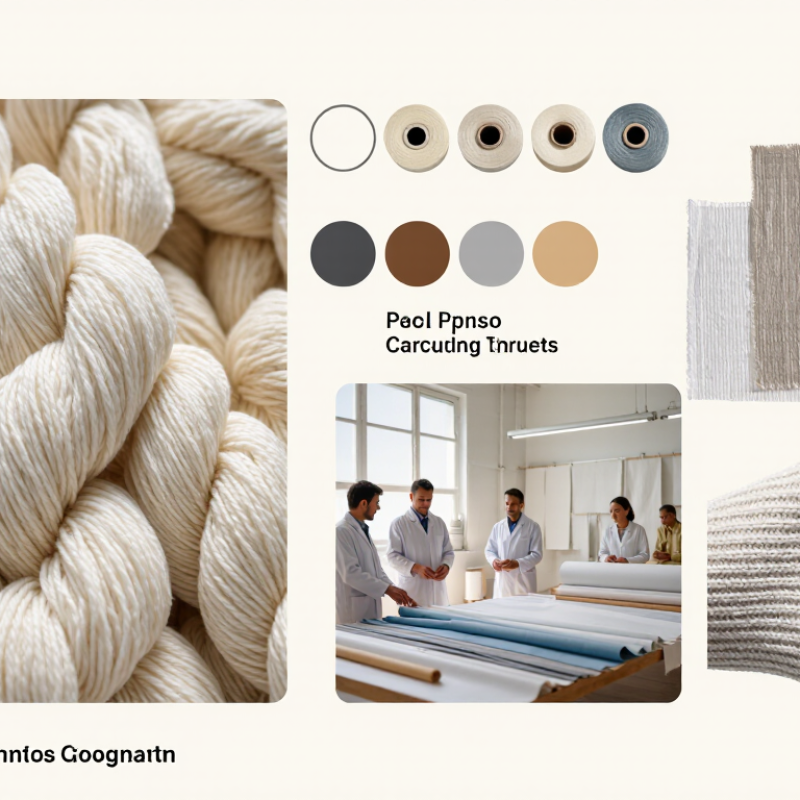
What Natural Stretch Fabric Is and How It Differs from Synthetic Stretch Textiles
Natural stretch fabric usually means a textile that flexes without relying entirely on synthetic elastic fibers. Cotton, wool, linen, and hemp can provide limited movement through fiber structure, yarn twist, knitting, or a looser weave. A cotton jersey, for example, stretches when its loops open around the body. It may recover less strongly after repeated wear.
The term is not perfectly standardized. Some suppliers describe cotton blended with elastane as natural stretch, although elastane is synthetic. That distinction matters. Synthetic stretch textiles commonly combine polyester or nylon with elastane, producing stronger recovery, close fit, and faster drying. Natural fibers usually offer softer moisture handling and a more familiar skin feel, but they can crease, relax, or shrink. The difference is practical, not absolute. A fabric technician should check fiber content, stretch percentage, and recovery after laundering.
Textile Exchange reported that global fiber production reached about 116 million tonnes in 2022. Polyester represented approximately 54%, while cotton accounted for about 22% in the Materials Market Report 2023. These figures show why synthetic stretch remains dominant, even when natural-fiber alternatives are preferred. The environmental comparison still needs care; cultivation, processing, durability, and washing all influence results.
Tips: Stretch a fabric crosswise, then release it. Look for slow recovery, rippling, or permanent distortion. Read the fiber label rather than trusting “natural stretch” alone. Test a washed sample before approving production.
Which Natural Fibers Provide Stretch and Elastic Recovery
What Is Natural Stretch Fabric and How Is It Made?
Natural stretch fabric gains movement from two sources: the fiber itself and the fabric’s construction. Wool provides the most noticeable natural stretch because its tiny crimps act like soft springs. When pulled, wool can extend and recover, especially in a well-made knitted fabric. Silk has modest flexibility and a smooth hand, but its recovery is weaker after repeated strain.
Cotton can stretch slightly, particularly when knitted, although it often stays baggy at elbows or knees. Linen and hemp are strong, breathable fibers, but they have limited elastic recovery. They usually depend on loose knitting, bias cutting, or textured yarns to create comfort. Natural rubber, made from plant latex, can add substantial stretch, but it is not a textile fiber in the same sense as wool or cotton.
Fabric makers may spin crimped yarns, combine different natural fibers, or use ribbed and jersey structures. These methods allow the fabric loops to open and close during movement. A wool rib knit may spring back after bending, while a cotton jersey may grow wider with wear.
The distinction is easy to blur.
In practical testing, stretch and recovery should be measured separately. A fabric may extend generously but fail to return to its original size. I would not describe every “stretchy” natural fabric as elastic. Moisture, washing temperature, and repeated tension can change its performance. For dependable recovery, fabric structure often matters as much as fiber content.
Natural Stretch Fabric: Fiber Elongation and Elastic Recovery
Natural fibers differ in how much they can extend before breaking. Wool generally provides the greatest natural stretch and the best elastic recovery, while silk offers moderate extensibility. Cotton has limited stretch and recovery, and flax and hemp are comparatively stiff. Actual fabric performance also depends on yarn twist, knit or weave structure, moisture, finishing, and fiber blending.
The chart shows approximate typical fiber-level elongation at break, not the stretch of a finished garment. Elastic recovery is the ability to return toward the original length after being stretched; it is usually higher in wool than in cotton, flax, or hemp.
How Natural Stretch Fabric Is Made from Fiber to Finished Textile
Natural stretch fabric begins with fibers that can bend, recover, or form flexible loops. Wool has natural crimp, while cotton and hemp offer limited elasticity. The term can be fuzzy. A fabric may be fully natural, or it may contain a small amount of elastic fiber for stronger recovery.
Fiber preparation controls the final handle. Raw fibers are cleaned, opened, and aligned through carding or combing. Spinners then twist them into yarn. Lower twist often creates a softer, more flexible yarn, but excessive softness can reduce strength. For knitted fabric, the yarn forms interlocking loops that stretch across the garment. Woven fabric needs engineered structures, such as a slight bias or textured yarn, to gain movement.
The fabric is then scoured to remove oils and processing residue. It may be dyed, rinsed, dried, and mechanically softened. Compacting can reduce later shrinkage, although it cannot remove every risk. Manufacturers test stretch, recovery, shrinkage, seam strength, and colorfastness under controlled conditions. A simple pull test by hand is useful, but not enough for reliable specification. Humidity, washing temperature, and finishing chemistry can change results. That detail is easy to overlook. A careful textile developer records each stage, from fiber moisture to finished width, because small process changes can alter the fabric’s fit and durability.
Key Properties, Benefits, and Limitations of Natural Stretch Fabric
What Is Natural Stretch Fabric and How Is It Made?
Key Properties, Benefits, and Limitations of Natural Stretch Fabric
Natural stretch fabric gains flexibility from natural fibers, yarn structure, or fabric construction. It does not automatically contain synthetic elastane. Wool provides gentle recovery because its fibers have natural crimp. Cotton and linen offer limited stretch when knitted or loosely woven. During production, manufacturers may twist yarns, adjust loop sizes, or apply controlled finishing treatments. These methods create movement without adding a separate stretch fiber.
The main benefit is comfort. A cotton jersey shirt can follow the shoulders while allowing air to circulate. Wool trousers may bend comfortably at the knees. Many natural fibers also feel soft and manage moisture well. Their surface can look less plastic and more textured. However, natural stretch is usually modest. It may relax during wear and change after washing. Recovery can be inconsistent.
This is where careful testing matters. A fabric sample may stretch nicely on a cutting table, then feel restrictive after repeated movement. I find the term “natural stretch” slightly misleading without test details. Buyers should check stretch percentage, recovery, shrinkage, and care instructions. A fabric with five percent give may suit a relaxed top, but not close-fitting sportswear. Natural fibers can also crease, pill, or weaken when repeatedly stressed. Beautiful, yes. Perfect, no.
Common Uses and Care Methods for Natural Stretch Fabric
Natural stretch fabric combines fibers and construction that allow gentle movement without feeling loose. Cotton, wool, hemp, or linen may gain flexibility through knitted loops or a small amount of stretch fiber. Its recovery depends on the blend, yarn quality, and finishing process. It commonly appears in T-shirts, underwear, active trousers, socks, fitted shirts, and soft home textiles. I prefer it for garments that need comfort during sitting, walking, or repeated bending. Yet “natural stretch” is not always completely natural. Checking the fiber label matters.
Care begins with the washing temperature. Use cool or lukewarm water and a mild detergent. High heat can weaken elastic components and shrink some plant or animal fibers. Turn garments inside out, choose a gentle cycle, and avoid rough overloading. Air-drying usually protects stretch better than a hot dryer. Lay wool or loosely knitted pieces flat, because hanging can distort the shoulders. Do not wring delicate fabric. I sometimes find that a careful wash improves shape, but no method prevents endless wear. Friction still leaves its mark.
Tips: Test a hidden seam first. Press with low heat. Store garments folded. Let damp pieces dry fully before storing. If the fabric feels tight, stiff, or uneven, stop stretching it. A textile professional can assess whether the problem comes from shrinkage, poor recovery, or incorrect sizing.