What Is the Textile Industry and How Does It Work?
The textile industry turns fibers into materials used in clothing, homes, vehicles, and medical products. It begins with raw inputs such as cotton, wool, flax, wood pulp, or synthetic polymers. Each choice affects softness, strength, cost, water use, and end-of-life options. A cotton shirt may pass through farms, gins, spinners, mills, dyers, cutters, and sewing rooms. That journey is longer than most labels suggest.
At a mill, machines open fibers, align them, and twist them into yarn. Yarns become fabric through weaving, knitting, or newer nonwoven methods. Dyeing and finishing can change color, texture, shrinkage, and resistance to water or fire. Quality teams test weight, colorfastness, seam strength, and chemical safety. Their records help manufacturers trace batches and investigate defects. However, efficiency is not the whole story. Energy, wastewater, worker conditions, and transport can reshape the true cost.
This guide explains how the textile industry works across production, trade, technology, and consumer use. It also examines designers, suppliers, brands, retailers, regulators, and recycling facilities. Reliable analysis requires more than factory photographs or impressive sustainability claims. It needs standards, measured data, supplier audits, and clear limits. Some figures remain difficult to compare. That is worth admitting. A practical understanding helps readers ask better questions: Who made this fabric? Which process used the most resources? Can the product be repaired, reused, or safely recycled? The answers vary by fiber, country, factory, and product design. They are rarely simple.
What the Textile Industry Is and Why It Matters
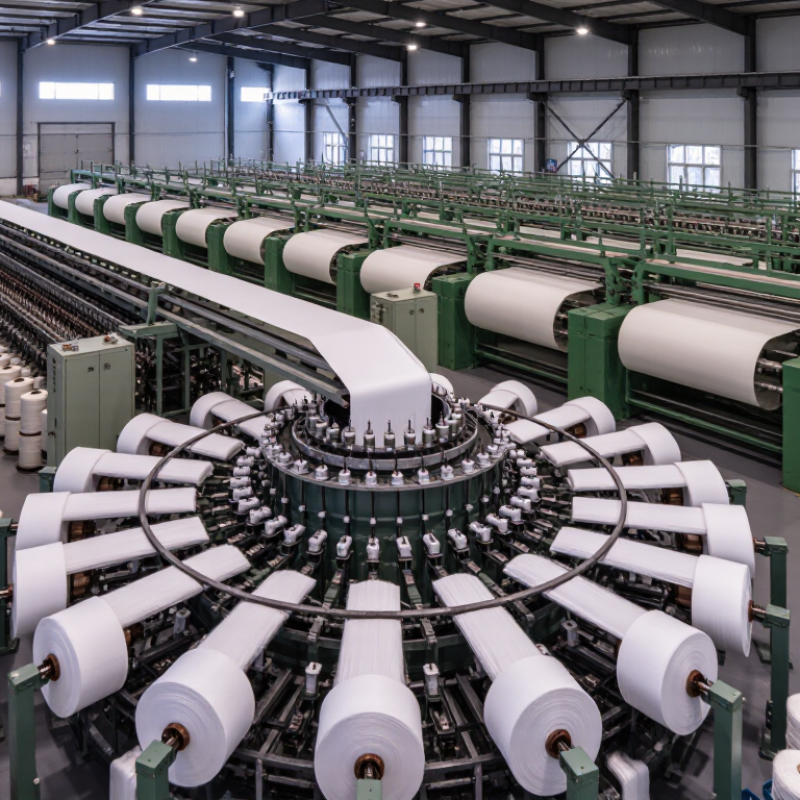
The textile industry turns fibers into the clothes, towels, bedding, and technical fabrics used every day. It begins with raw materials such as cotton, wool, flax, or manufactured fibers. Spinning creates yarn, while weaving or knitting forms fabric. Dyeing and finishing then add color, softness, strength, or water resistance. Cutting and sewing convert fabric into usable products.
Its importance reaches far beyond clothing. Textile factories support farming, engineering, transport, design, and millions of jobs. A single shirt may involve fiber growers, yarn workers, dye-house technicians, quality inspectors, and sewing operators.
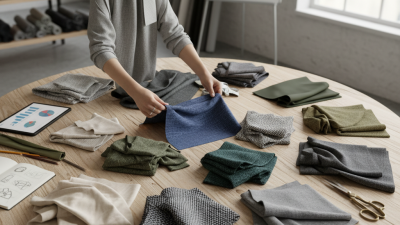
Small process choices matter. Excess heat can weaken fibers. Poor dye control can waste water and produce uneven color. A familiar factory detail is the inspection table, where workers check fabric under bright light for broken threads or stains.
The industry also affects energy use, water demand, waste, and worker safety. Reliable manufacturers measure material consumption, test fabric performance, and document production steps. Independent audits and recognized safety standards can improve accountability, although paperwork alone proves little. Traceability remains difficult when materials pass through several countries. Even accurate-looking supply data may contain gaps. The system is not perfectly efficient. Better recycling, durable design, safer chemicals, and fair working conditions can reduce harm, but each solution has limits. A fabric that lasts longer may still require energy-intensive processing. That tension deserves closer attention.
How Raw Fibers Become Usable Textile Materials
The textile industry turns raw fibers into materials used for clothing, home goods, and technical products. Raw fibers may come from plants, animals, or manufactured polymers. Cotton arrives in compressed bales. Wool arrives as soft, tangled fleece. Manufactured fibers often begin as pellets or chemical solutions.
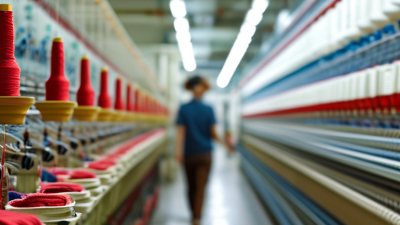
At a mill, workers open, clean, and align the fibers. Carding forms a thin web and removes remaining dirt. Drawing makes the fibers more even. Spinning then twists them into yarn. The yarn may be woven on a loom or knitted into loops. Fabric can receive washing, dyeing, coating, or heat treatment. Each stage affects softness, strength, color, and shrinkage. Experienced technicians test moisture, yarn tension, fabric weight, and breaking strength. Small errors matter.
Tips: Check fiber labels and production records. Uneven yarn often signals poor preparation. Excess heat can weaken some fibers. Test fabric samples before full production. A simple hand inspection still helps, but it cannot replace laboratory testing.
Sustainable processing requires careful control of water, energy, and chemical use. Safer choices begin with accurate measurements and documented procedures. Traceability also matters. It helps teams identify where a fiber changed or failed. In practice, textile production is rarely perfect. A fabric can pass strength tests yet feel uncomfortable. Another may look beautiful but shrink after washing. These contradictions deserve closer testing, not quick approval.
How Textiles Move Through Design, Production, and Distribution
The textile industry turns fiber into materials people can wear, furnish, or use for protection. Its movement begins with design, not machinery. Designers select fiber type, yarn structure, color, weight, and finish for a specific purpose. A lightweight shirt needs different handling than dense upholstery fabric. In practice, sampling reveals problems early. A color may shift under daylight. A seam may pull after washing. These details force revisions, sometimes late ones. The work is physical. Digital sketches cannot fully predict fabric behavior.
Production connects creative decisions with controlled processes. Fibers are cleaned, spun into yarn, woven or knitted, and treated for softness, strength, or water resistance. Technicians monitor tension, temperature, moisture, and machine speed. Quality teams inspect rolls for holes, uneven dyeing, weak edges, and measurement changes. Testing can include shrinkage, rubbing, colorfastness, and tear strength. Small errors spread quickly across a long roll. I have found that clear records matter as much as fast equipment. Yet records are not perfect. A rushed inspection can miss a defect hidden inside folded fabric.
Distribution begins when approved goods are packed, labeled, stored, and scheduled for delivery. Warehouses track lot numbers, quantities, dimensions, and destination requirements. Careful handling prevents creases, moisture damage, and confusing substitutions. Demand forecasts guide production, but they often miss sudden changes in weather or customer preference. That uncertainty leaves excess stock in one place and shortages in another. Better coordination helps, though it cannot remove every risk. Designers, mills, inspectors, and logistics teams need shared data throughout the journey.
The Main Technologies and Processes Used in Textile Manufacturing
What Is the Textile Industry and How Does It Work?
Textile manufacturing converts fibers into yarn, fabric, finished garments, and technical materials. According to Textile Exchange’s Materials Market Report 2024, global fiber production reached 124 million tonnes in 2023. It may rise to 160 million tonnes by 2030. This growth increases pressure on factories, energy systems, and water supplies.
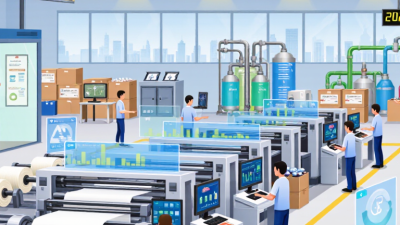
The process begins with fiber preparation, including cotton ginning or synthetic polymer extrusion. Spinning twists fibers into yarn with controlled strength and thickness. Weaving interlaces yarns, while knitting forms flexible loops. Nonwoven production bonds fibers through heat, pressure, or chemicals. Dyeing and finishing then adjust color, softness, shrinkage, and performance. Modern mills use sensors to monitor moisture, tension, temperature, and machine speed. These controls reduce defects, but they do not eliminate them. A small tension change can create visible streaks across hundreds of meters.
Tips:
Track material loss at every stage. Compare batch records with actual output. The UNEP textile sustainability framework reports that textiles create approximately 2–8% of global greenhouse gas emissions. Therefore, energy-efficient drying and low-liquor dyeing deserve practical attention. Recycling systems also need careful sorting, because blended fibers remain difficult to separate. Factories should verify supplier data instead of trusting attractive sustainability claims. Mistakes still happen. Better measurement makes them easier to find.
How the Industry Addresses Labor, Waste, and Environmental Challenges
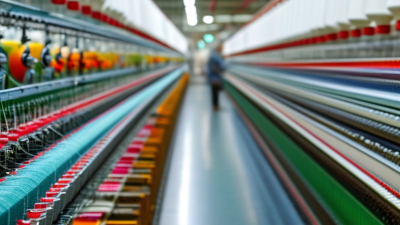
The textile industry turns fibers into yarn, fabric, garments, and household products. Its work begins with fiber selection, then moves through spinning, weaving or knitting, dyeing, cutting, and sewing. Each stage uses energy, water, chemicals, and human skill. A factory floor may hold hundreds of workers, humming machines, fabric rolls, and bins of thread waste.
Labor conditions remain a central concern. Responsible manufacturers monitor working hours, wages, ventilation, protective equipment, and emergency exits. Independent inspections can reveal risks that paperwork misses. However, audits are not perfect. A clean inspection day may hide seasonal pressure or unpaid overtime. Worker interviews, anonymous reporting, and repeated visits provide stronger evidence.
Waste also travels through the supply chain. Cutting rooms can leave piles of narrow fabric strips beside the machines. Dyeing may produce colored wastewater and chemical residue. Better systems reuse offcuts, repair defective goods, treat wastewater, and measure electricity and water per product. Recycled fibers can reduce demand for new resources, but they still require sorting and processing. They are not automatically sustainable. Production planning matters too. Unsold clothing may become waste before anyone wears it. Smaller batches and accurate demand forecasts can limit this problem, although they may increase unit costs. The industry still has difficult trade-offs, and honest reporting should show both progress and failure.